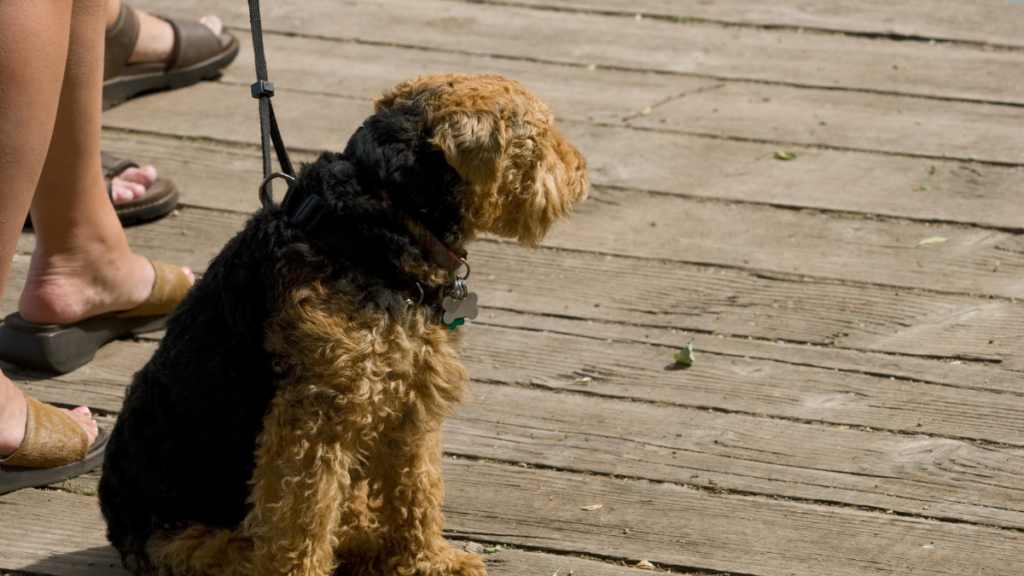
Having a dog is one of life’s best experiences. But a dog is also a long-term responsibility that requires dedication, patience, and perseverance.
Your canine companion will face behavioral challenges along the way: chewed shoes, never-ending barking, leash pulling, and disobedience. It’s important to remember that a calm, obedient, and happy dog isn’t a fluke or a matter of “having the perfect breed.” A healthy and well-behaved dog is the result of understanding, consistency, and the right approach.

Tips for a Happy and Well-Behaved Dog
We have written this article in simple, everyday language so you can use the information immediately. In the sections below, we’ll reveal what truly matters when it comes to your dog’s behavior—and your relationship with them.
Let’s start with the basics.
What Is a Well-Behaved Dog?
Before moving on to the training methods and techniques that can improve your dog’s behavior, we need an accurate definition of what a well-behaved dog actually is. This is important because many people believe a well-behaved dog is one that behaves perfectly at all times.
In reality, a well-behaved dog is not a trained robot that never makes mistakes. Instead, it’s a dog that:
-
Understands and follows basic commands
-
Can control impulses most of the time
-
Is able to relax and feel safe and secure in its environment
-
Knows how to interact calmly with people and other animals
Behavior problems often stem from confusion, fear, boredom, or a lack of guidance—not from a dog being “naughty” or “misbehaving.” When you shift your mindset from punishment to teaching, everything changes.

Trust Is the Foundation of Good Behavior
One of the most underappreciated secrets to good behavior is trust. Dogs learn best when they feel safe, secure, and understood by their human family members. If your dog is anxious, tense, or afraid of you, training will always be more difficult.
Trust is built when your dog can predict how you will behave. You can foster this trust through:
-
Calm, predictable behavior on your part
-
Establishing fair rules that don’t randomly change from day to day
-
Handling your dog gently and kindly
Spend quality time with your dog outside of training sessions. Play together, relax together, and simply enjoy each other’s company. A dog that trusts you wants to listen to you.
Consistency Beats Perfection Every Time
There is one rule that every dog trainer and behaviorist agrees on: consistency is more important than perfection. Consider the following examples:
-
If your dog is allowed to jump on guests when you’re at home but not when your in-laws visit, your dog will be confused about the rule.
-
If you don’t mind your dog begging at the dinner table but your partner does, your dog will receive mixed signals about what’s acceptable behavior.
Make the rules clear and ensure everyone in the household follows them consistently. Dogs thrive on predictable routines because they help them anticipate what comes next. This predictability is comforting, reduces stress, and improves behavior.
Positive Reinforcement Is Key
Positive reinforcement is one of the core Secrets to a Well-Behaved Dog, and it is strongly supported by modern science. This training approach focuses on rewarding behaviors you want to see more often rather than punishing unwanted behaviors.
Rewards can include:
-
Treats
-
Praise and affection
-
Playtime and toys
For example, when your dog sits calmly instead of jumping, reward that behavior immediately. Timing is critical—your dog needs to clearly associate the reward with the action.
Punishment, on the other hand, often creates fear and confusion. While a fearful dog may temporarily stop a behavior, the underlying issue usually remains unresolved.

Speak Clearly and Calmly
Dogs don’t learn from long conversations or emotionally charged lectures. They learn through tone of voice, body language, and consistent repetition.
To communicate clearly with your dog:
-
Use simple, consistent commands such as “sit,” “stay,” and “come.”
-
Keep your tone calm and confident.
-
Avoid repeating commands over and over.
If you say “sit” five times before your dog responds, your dog learns that the first four commands don’t matter. Say the command once, then wait and guide them using body language if necessary.
Exercise Is Essential
Many behavior problems are actually the result of excess energy. Dogs that don’t receive enough physical and mental exercise often release that energy in destructive ways, such as chewing furniture, barking excessively, or digging holes.
Different dogs require different levels of exercise:
-
High-energy dogs may need several long walks, runs, or agility games each day.
-
Smaller or older dogs may need shorter but more frequent exercise sessions.
Mental stimulation is just as important as physical activity. Puzzle toys, training games, and scent work are excellent ways to tire your dog in a healthy, positive way. A fulfilled dog is far more likely to behave well at home.

Training Is Lifelong
Training is not a one-time event that ends after puppyhood or a basic obedience class. It is a lifelong process that evolves as your dog matures and encounters new situations.
Short, daily training sessions are more effective than occasional long ones:
-
5–10 minutes a few times a day is ideal
-
Practice commands in different environments
-
Reinforce good behavior throughout everyday life
Think of training as an ongoing conversation rather than a classroom lecture. You’re constantly providing feedback, and your dog is always learning from you.
Socialization Is Crucial
Socialization helps your dog feel comfortable around different people, animals, environments, and sounds. A well-socialized dog is far less likely to react with fear or aggression in unfamiliar situations.
Effective socialization includes:
-
Meeting calm, friendly dogs
-
Positive interactions with people of all ages
-
Exposure to everyday sounds such as traffic, vacuum cleaners, and household appliances
The key is to ensure these experiences are positive. Never force a fearful dog into a situation they find overwhelming.
Focus on the Root Cause of Behavior Problems
Every dog experiences behavior challenges at some point. The important thing is to address them early and with patience.
Common behavior issues include:
-
Barking
-
Chewing
-
Leash pulling
-
Separation anxiety
Instead of asking, “How do I stop this behavior?” ask, “Why is this happening?” For example, barking may be caused by fear, boredom, separation anxiety, or insufficient training. Once you identify the cause, the solution becomes much clearer.
In some cases, consulting a professional dog trainer or behaviorist is the most effective way to address persistent or severe problems.

Routine Helps Behavior
Dogs feel most secure when they know what to expect. A consistent daily routine provides structure and improves behavior.
A good routine includes:
-
Regular mealtimes
-
Scheduled walks and play sessions
-
Designated rest and sleep periods
Routine isn’t about strictness—it’s about clarity. When your dog understands what comes next, they’re more relaxed and cooperative.
Match Your Energy Levels
Dogs are highly sensitive to human emotions. If you’re stressed, angry, or impatient, your dog will sense it and respond accordingly.
Try to:
-
Keep your energy calm and positive during training
-
Take breaks if you feel frustrated
-
Celebrate small improvements
Training should be enjoyable for both you and your dog. When learning feels safe and fun, dogs are far more eager to participate.
Lead, Don’t Command
Good leadership doesn’t require harshness or intimidation. Effective leaders are confident, consistent, and compassionate.
Healthy leadership includes:
-
Setting clear and appropriate boundaries
-
Following through on established rules
-
Protecting your dog from overly stressful or unsafe situations
When your dog trusts your guidance, they can relax—and relaxation is a key component of good behavior.
Nutrition and Health Matter
Sometimes behavior issues have physical causes. Poor nutrition, untreated pain, or lack of sleep can all contribute to irritability and disobedience.
Ensure your dog:
-
Eats a balanced, age-appropriate diet
-
Receives regular veterinary care
-
Has a comfortable place to rest and sleep
A healthy body supports a healthy mind, and physical well-being has a direct impact on behavior.
Be Patient
If there’s one thing all the Secrets to a Well-Behaved Dog have in common, it’s patience. Meaningful change takes time and rarely happens in a straight line. Training will have ups and downs, with both successes and setbacks.
Focus on progress, not perfection. Every small improvement is a step forward.
Create a Strong Human–Dog Bond
Above all, good behavior starts and ends with a strong relationship. A dog that feels connected to their human naturally wants to cooperate and please.
Strengthen your bond by:
-
Spending quality time together
-
Learning what motivates your dog
-
Being attentive and responsive to their needs
A dog that feels loved, understood, and safe is far more likely to be calm and well-behaved.
Final Thoughts
Building a well-behaved dog takes time and effort, but the rewards are immeasurable. A strong human–dog relationship benefits both you and your dog in countless ways.
Good behavior isn’t about harsh rules or quick fixes. It’s about knowledge, consistency, patience, and love.
By focusing on trust, clear communication, positive reinforcement, and meeting your dog’s mental and physical needs, you can create lasting improvements in behavior.
Save pin for later


- Dog Nutrition Guide for Better Health and Energy - May 23, 2026
- How to Keep Your Cat Healthy and Active at Home - May 17, 2026
- Dog Health Tips for Indoor and Apartment Living - May 17, 2026