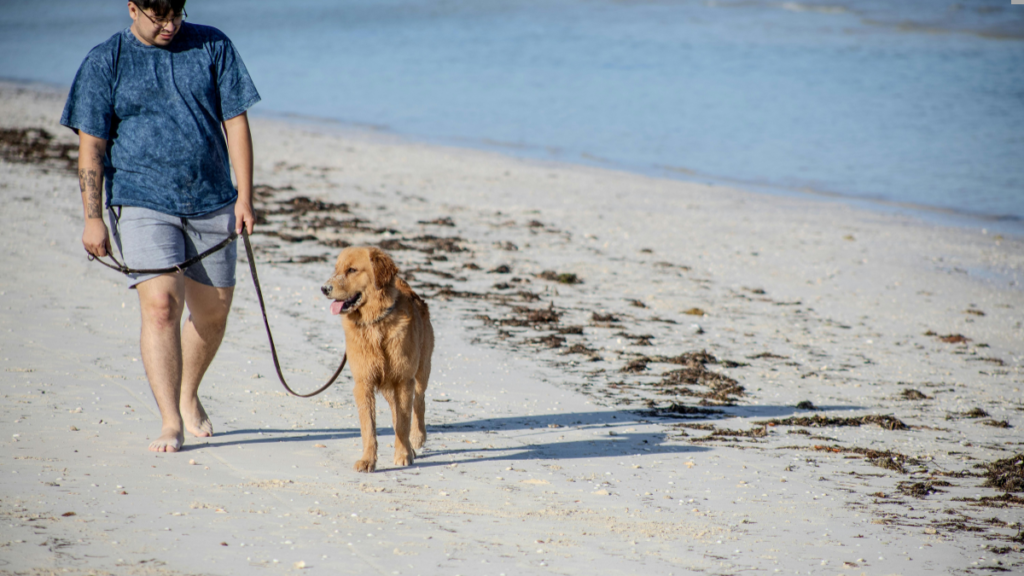
Dog owners are all too familiar with their canine companions’ occasional fits of restlessness, nervousness, or even outright fear. Much like humans, dogs can experience anxiety, and certain stimuli—such as loud noises, separation from their owners, or environmental changes—can trigger this stress.
But what if you could learn how to calm an anxious dog naturally? Helping a dog manage anxiety isn’t just about your pet’s well-being; it also contributes to a calmer, more peaceful household. This guide provides practical, natural strategies to help your dog relax, feel secure, and enjoy life to the fullest.
Understanding Canine Anxiety
Before attempting to calm an anxious dog, it’s essential to understand the underlying causes of their anxiety. Dogs can exhibit anxiety in many ways: pacing, excessive barking, chewing, trembling, hiding, or even becoming aggressive. Common triggers include:
-
Separation Anxiety: Many dogs experience significant stress when left alone.
-
Noise Sensitivity: Thunderstorms, fireworks, and loud construction noises can provoke anxiety.
-
Environmental Changes: Moving homes, adding new family members or pets, or rearranging furniture can unsettle a dog.
-
Health Issues: Pain or illness can cause discomfort, leading to anxious behavior.
Recognizing these triggers is the first step in helping your dog relax and feel more at ease.
How to Calm an Anxious Dog Naturally: 10 Ways to Calm Your Canine Companion
1. Create a Safe Space
One of the simplest ways to calm an anxious dog naturally is to provide a secure, comfortable space within your home. Dogs feel reassured when they have a personal area to retreat to when overwhelmed.
-
Choose a quiet spot away from the household’s hustle and bustle.
-
Add a comfortable bed or crate with soft blankets. Crates are particularly effective because they mimic a den-like environment, which dogs instinctively find comforting.
-
Include familiar scents, such as a favorite toy or a piece of your clothing. Your scent can provide reassurance when you’re not nearby.
Creating a safe space not only provides a physical retreat but also a mental sanctuary that can help lower stress levels.
2. Exercise and Physical Activity
Regular exercise is vital for both a dog’s physical and mental health. Physical activity helps reduce anxiety by releasing endorphins, the body’s natural mood enhancers. Consider the following:
-
Daily Walks: A brisk walk around the neighborhood offers both physical exercise and mental stimulation.
-
Playtime: Games like fetch, tug-of-war, or interactive toys help release nervous energy.
-
Training Sessions: Mental stimulation through obedience training or puzzle toys can tire your dog in a healthy way.
Consistency is key. A well-exercised dog is typically calmer, less reactive, and more receptive to relaxation techniques.
3. Calming Supplements and Diet
Diet and nutritional supplements can have a significant effect on a dog’s stress levels. Natural remedies such as Omega-3 fatty acids, L-theanine, and herbal supplements can promote calmness:
-
Omega-3 Fatty Acids: Found in fish oil, they support brain health and reduce stress.
-
Chamomile or Valerian Root: Known for their calming properties, available in dog-friendly treats or tinctures.
-
L-Theanine: A natural amino acid in green tea shown to help reduce anxiety in pets.
Always consult your veterinarian before introducing supplements or making significant changes to your dog’s diet.
4. Aromatherapy and Calming Scents
Aromatherapy can help soothe anxious dogs when used safely. Certain scents are particularly effective:
-
Lavender: Known for its calming effects.
-
Chamomile: Offers a gentle, soothing influence.
-
Dog Appeasing Pheromones: Products such as sprays or diffusers mimic the comforting pheromones of mother dogs.
Avoid applying essential oils directly to your dog. Use diffusers, sprays, or specially formulated pet products instead.
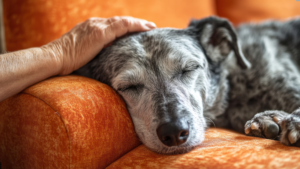
5. Massage and Physical Comfort
Massage therapy can reduce anxiety, lower heart rate, and relieve muscle tension in dogs. Techniques include:
-
Begin with gentle strokes along the back, gradually moving toward the head.
-
Focus on tension areas such as the base of the ears, neck, and shoulders.
-
Pay attention to your dog’s reactions. If they stiffen or pull away, reduce pressure or switch areas.
Massage strengthens your bond and provides reassurance, helping your dog feel secure.
6. Sound Therapy and Music
Music can naturally calm anxious dogs. Soft, relaxing sounds can mask stressful noises:
-
Classical Music: Slow-tempo classical music reduces stress and excessive barking.
-
Nature Sounds: Gentle rain or ocean waves can provide a calming background.
-
Consistency: Play soothing music during high-anxiety periods, such as thunderstorms or when leaving the house.
Some pet owners find that music specifically designed for dogs is particularly effective.
7. Behavioral Training and Positive Reinforcement
Training helps build confidence and structure, which can reduce anxiety:
-
Desensitization: Gradually expose your dog to triggers in small doses while rewarding calm behavior.
-
Counter-Conditioning: Replace negative reactions with positive experiences, such as treats or praise.
-
Consistency and Patience: Never scold anxious behavior, as this can worsen stress.
Professional trainers or behaviorists can assist with more severe anxiety issues.
8. Natural Supplements and Holistic Remedies
Holistic treatments can complement natural anxiety relief:
-
CBD Oil for Dogs: Derived from hemp, shown to reduce stress and promote relaxation.
-
Herbal Remedies: Products with passionflower or chamomile may help balance emotions.
-
Homeopathy: Homeopathic drops or sprays can help some dogs, though effectiveness varies.
These remedies should support, not replace, proper care, training, and veterinary guidance.
9. Maintain a Calm Environment
A dog’s stress levels often reflect their owner’s mood. To maintain a calm atmosphere:
-
Stay Relaxed: Your calm energy will reassure your dog.
-
Routine: A consistent schedule for feeding, walks, and playtime reduces anxiety.
-
Limit Overstimulation: Avoid loud noises or crowded environments during high-anxiety periods.
A stable, peaceful environment strengthens your dog’s sense of security and trust.
10. When to Seek Professional Help
Some dogs may require professional intervention:
-
Exhibiting self-destructive behaviors such as excessive licking or chewing.
-
Displaying extreme fear or aggression that natural methods cannot control.
-
Experiencing chronic anxiety affecting appetite, sleep, or overall health.
Veterinarians and certified behaviorists can provide guidance, including behavior modification programs or medications when necessary.
Final Thoughts
Calming an anxious dog naturally is a holistic process that combines patience, care, and the right techniques. From creating a safe space and ensuring adequate exercise to providing proper diet, supplements, massage, and music, there are many ways to help your dog relax and feel secure. Every dog is unique, so what works for one may not work for another. By using these natural methods, you are not only improving your dog’s emotional well-being but also strengthening the bond between you and your furry companion.
Save pin for later

- Dog Nutrition Guide for Better Health and Energy - May 23, 2026
- How to Keep Your Cat Healthy and Active at Home - May 17, 2026
- Dog Health Tips for Indoor and Apartment Living - May 17, 2026