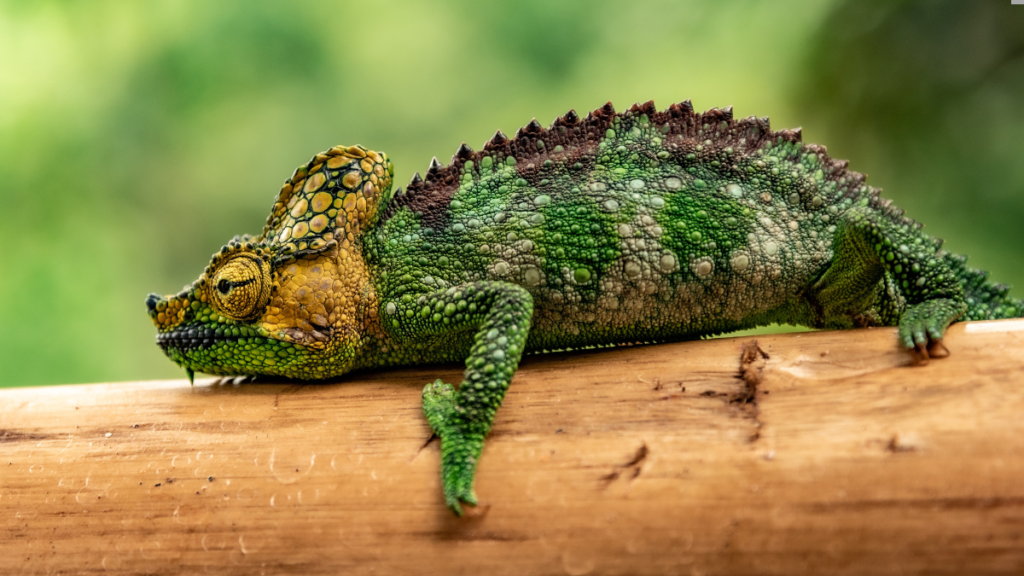
Have you ever sat back and watched your reptile toil, climb, and explore their enclosure? There’s something mesmerizing about their movements, mysterious scales, and bold colors. While these behaviors are fascinating to watch, I’m sure you want a reptile habitat that is just as comfortable and engaging for your pet.
Building a reptile habitat your pet will love isn’t as difficult as it may seem. The secret lies in the preparation phase, when you research your reptile species’ behavioral, environmental, and physical activity needs. Once that’s done, the rest becomes easier—you simply try out some ideas and watch your pet’s reaction.
Basic Reptile Enclosure Essentials
Before getting creative, it’s important to satisfy the essential needs of a reptile enclosure. These include:
Temperature and Humidity
Every reptile enclosure needs a reliable heat source and the ability to control temperature and humidity. The specific range varies by species, so your habitat must provide an appropriate heat gradient. You can achieve this using a thermostat, heat lamps, hygrometers, and misters if necessary. For multiple enclosures with different temperature needs, reliable thermometers are essential.
Substrate
The substrate is the material lining the bottom of the tank. Options include sand, coconut fiber, reptile carpet, bark chips, and more. The right substrate depends on your reptile species—some enjoy digging, while others prefer a flat surface.
Hideouts
Hiding spots are crucial for your reptile’s comfort. All reptiles require at least a few places to retreat when they need to feel safe. Hideouts can include caves, logs, or leafy shelters.
Water Dish
Every enclosure should have a water dish for drinking and occasional soaking.
Lighting
Reptile enclosures also need a lighting system to simulate different times of day and year, including UVB lighting. Specific lighting requirements vary by species, so adjust the amount and duration of light accordingly.
Placement and Decoration
Once the basics are covered, you can explore creative reptile habitat ideas and build a reptile playground. Proper placement and thoughtful decoration will make your reptile feel happy and secure.
Fun Habitat Ideas for Reptiles
Ideally, your reptile enclosure should be species-specific, as different reptiles have varying needs. However, some enrichment ideas are appropriate for almost all reptiles. Follow these fun habitat ideas for reptiles to ensure your scaly companion is happy:
1. Themed Terrariums
Themed terrariums are some of the most enjoyable reptile habitat ideas to try. Start by choosing a theme, such as a rainforest, desert, or swamp.
Once a theme is selected, add vegetation and decorations that match it. This provides visual stimulation for both you and your pet while keeping them engaged in their environment.
Themed terrariums also make it easier to place enrichment items in ways that cater to your reptile’s natural instincts. Plus, they give you a chance to showcase your creativity and personality while keeping your pet entertained.
2. Climbing and Exploration Structures
Many reptiles love to climb and explore, though some species are more active than others. To keep your pet happy, provide climbing structures or platforms where they can bask and explore.
Use sturdy branches or vines positioned to prevent falls. For more terrestrial species, consider adding flat rocks for climbing. These structures encourage physical activity, which benefits your pet’s long-term health.
3. Hiding Spots and Caves
While reptiles are natural explorers, many are shy and prefer to hide. Providing multiple hiding spots is essential.
You can use cork bark caves, stack flat rocks to create crevices, or add artificial logs and tunnels. The number of hides depends on your pet and enclosure size. For example, one animal should have at least one hide per five square feet, while multiple reptiles require additional hiding spots.
4. Interactive Feeding and Enrichment
Feeding time is a great opportunity for enrichment. Encourage your reptile’s natural hunting instincts with puzzle feeders or by scattering their food around the enclosure.
For snakes, hiding food or using puzzle feeders can simulate hunting. For lizards, scattering food encourages exploration. Live prey may be appropriate for certain species, but only if it’s safe and suitable.
5. Water Features
Water is essential for many reptiles and can also enhance your habitat aesthetically.
Consider a small pond or pool for turtles and water snakes, or a misting system for tropical species like chameleons. Water features increase visual interest while providing hydration and humidity.
6. Substrate and Ground Cover Creativity
Substrate affects both comfort and stimulation. Layering sand, soil, and moss creates variety and encourages exploration.
Leaf litter, natural debris, and deep substrate areas for burrowing can mimic a reptile’s natural habitat and promote active play.
7. Lighting and Heat Enhancements
Proper lighting and heat lamps are vital for reptile health. Position lamps to create warm basking areas and cooler zones for thermoregulation.
Decorative or colored lighting can enhance visual appeal, but ensure it’s safe and natural for your reptile. Automated timers can simulate day-night cycles, supporting their circadian rhythms.
8. Seasonal and Rotating Enrichment
Reptiles can become bored if their environment never changes. Rotate decorations, add new plants, or provide safe scent enrichment with herbs or leaves.
Rearranging rocks, logs, or substrates periodically adds visual interest and engages your pet, simulating natural seasonal changes.
Safety First
While fun habitat ideas are exciting, safety must always come first:
-
Use only reptile-safe substrates, plants, and decorations.
-
Ensure all items are stable to prevent accidents.
-
Maintain proper temperature and humidity, even when adding visual features.
-
Clean the enclosure regularly to prevent bacteria buildup.
-
Research your species-specific needs before introducing new items.
By following these guidelines, you can create a habitat that is both fun and safe.
Conclusion
Building the perfect habitat for your reptile isn’t as difficult as it may seem. Once you cover the basics and understand your pet’s preferences, designing an engaging, visually appealing home becomes easier.
Try these fun habitat ideas for reptiles to make your pet’s environment more stimulating and enjoyable. After all, their home is not just for them—it’s a space you’ll share and enjoy as well. Creating a beautiful and functional reptile habitat ensures both you and your scaly companion are happy.
Save pin for later


- Dog Nutrition Guide for Better Health and Energy - May 23, 2026
- How to Keep Your Cat Healthy and Active at Home - May 17, 2026
- Dog Health Tips for Indoor and Apartment Living - May 17, 2026