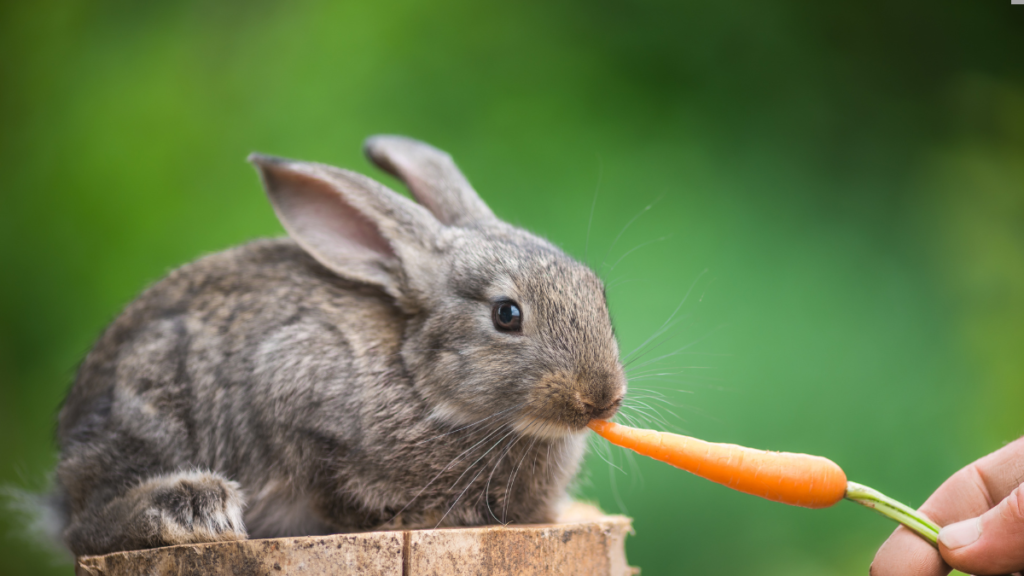
Rabbits are curious and intelligent animals that need more than just a supply of food and a warm hutch to be happy. Mental stimulation, physical exercise, and opportunities to exhibit natural behaviors are vital for keeping a rabbit healthy and content. DIY Rabbit Enrichment Toys are the answer.
Making your own enrichment toys at home for your rabbit can be inexpensive and fun, while also allowing you to customize toys to your rabbit’s size, personality, and specific needs and preferences. At the same time, it is an excellent way to bond with your rabbit.

Why Enrichment Matters for Rabbits
In the wild, a rabbit’s day is filled with foraging, chewing, digging, and staying alert to their surroundings. Pet rabbits share many of the same instincts and behaviors, but if they lack stimulation and enrichment, they can quickly become bored, stressed, and even destructive.
Common signs that your rabbit needs more enrichment include:
-
Chewing furniture or carpets
-
Aggression or withdrawal
-
Weight gain from lack of exercise
-
Depression or lack of curiosity
Providing rabbits with enrichment toys gives them a healthy outlet for energy and natural instincts. In addition to keeping them occupied, toys promote exercise, problem-solving, and exploration, and can help prevent boredom-related health issues.
Different Types of Rabbit Toys and Behaviors
Before you start making rabbit toys, it helps to understand what rabbits naturally enjoy. Most rabbit enrichment toys fall into one or more of the following behavior categories:
1. Chewing
Rabbits’ teeth never stop growing, so chewing is essential for maintaining dental health and preventing overgrowth.
2. Foraging
Rabbits love to work for their food. Toys that encourage foraging for hay, treats, or pellets are especially rewarding.
3. Digging
Digging is instinctive for rabbits, including indoor pets. Allowing safe outlets for digging can save your carpets and furniture.
4. Tossing and Exploring
Rabbits are fascinated by small objects, and many enjoy tossing or pushing items around with their noses.
Most enrichment toys are multi-purpose and appeal to two or more of these behaviors at once.

Safety Considerations for Homemade Rabbit Toys
When making toys, safety should always come first. Rabbits are hardy animals, but they are also sensitive to many toxic materials and can become ill from unsafe toys.
Safe Materials for Homemade Rabbit Toys
-
Plain cardboard (non-glossy, no heavy ink)
-
Untreated woods (apple, willow, aspen)
-
Paper towel or toilet paper rolls
-
Brown paper bags
-
Natural twine (sisal or jute)
-
Hay and dried herbs
Materials to Avoid
-
Plastic
-
Treated or painted wood
-
Staples, tape, or glue
-
Fabric with loose threads
-
Toxic materials (certain plants, inks, or coatings)
Always supervise your rabbit the first few times they use a new toy. Even store-bought toys can pose unexpected hazards.
Simple DIY Rabbit Enrichment Toy Ideas
You don’t need to be a professional crafter to make effective rabbit enrichment toys. Many of the best homemade toys require very little time or money and can be made from everyday household items.
Cardboard Roll Hay Stuffers
Fill a toilet paper roll tightly with hay. You can add a small amount of dried herbs or pellets to make it more exciting. This toy combines foraging and chewing in one simple activity.
Paper Bag Exploration Toy
Fill a brown paper bag with hay and loosely fold the open end. Rabbits love jumping inside, digging around, and pulling the bag apart.
Cardboard Box Hideout
Even a plain cardboard box becomes an enrichment item when you cut openings into it, add hay, and allow your rabbit to explore.
DIY Rabbit Enrichment Toys: Next-Level Ideas
If you enjoy crafting and have a bit more time, these projects take enrichment one step further.
Treat Puzzle Box
Take a small cardboard box and poke holes throughout it. Place a few healthy treats or pellets inside and close the box. Your rabbit will need to nudge, toss, and chew the box to access the rewards.
This is a classic example of a DIY Rabbit Enrichment Toy that promotes foraging and problem-solving.
Dig Box
Fill a shallow box or storage container with shredded paper, hay, or pesticide-free soil. Hide small treats beneath the surface for your rabbit to dig up.
Dig boxes are especially popular because they give rabbits a safe, acceptable place to dig instead of damaging carpets or furniture.
Hanging Chew Mobile
Use natural twine to attach untreated wooden sticks and create a hanging toy at head height. Rabbits enjoy pulling and chewing suspended toys, especially when they move.
Food as Enrichment (With Moderation)
Food-based toys are highly motivating for rabbits, but treats should make up only a small portion of their diet and should not be used in every toy.
Healthy Toy Fillers Include:
-
Hay (timothy, orchard, or meadow)
-
Dried chamomile or dandelion
-
Small amounts of pellets
-
Tiny pieces of leafy greens
Avoid sugary fruits or commercial treats, as overuse can upset your rabbit’s digestion.
Rotating Toys to Avoid Boredom
Just like people, rabbits lose interest if the same toys are always available. The key to long-lasting enrichment is rotation.
Keep 3–5 toys available at a time and rotate them weekly. Often, a toy that was ignored one week will become exciting again after a short break.
Tailoring Toys to Your Rabbit’s Personality
Every rabbit has a unique personality, and enrichment should reflect that.
Shy or Nervous Rabbits
-
Enclosed toys like boxes or tunnels
-
Quiet foraging toys
-
Familiar, calming materials
Active or Curious Rabbits
-
Puzzle toys
-
Toss-and-roll toys
-
Dig boxes or obstacle courses
Senior Rabbits
-
Easy-access foraging toys
-
Softer chew toys
-
Low-entry hideouts
Observing how your rabbit interacts with different toys will help you refine what you make or offer.
Interactive Toys to Bond With Your Rabbit
Enrichment doesn’t have to be solitary. Toys can also strengthen your relationship with your rabbit.
-
Sit on the floor while your rabbit explores a new toy
-
Hide treats and let your rabbit “help” prepare the toy
-
Gently praise or pet your rabbit during playtime
These shared moments build trust and make enrichment more rewarding.
Common Rabbit Toy Mistakes to Avoid
If you’re new to rabbit enrichment, these mistakes are easy to make.
Too Many Toys at Once
Introducing too many new toys at once can overwhelm your rabbit. Start with one or two and add more gradually.
Ignoring Wear and Tear
Homemade toys wear out quickly. Inspect them often and discard anything unsafe.
Forcing Interaction
If your rabbit isn’t interested right away, don’t push it. Interest often develops over time.
Affordable DIY Rabbit Enrichment Toys
One of the biggest benefits of DIY rabbit toys is affordability. Old boxes, paper, and hay can easily become engaging enrichment with little or no cost.
Many experienced rabbit owners find their rabbits prefer homemade toys over commercial ones because they are customizable, effective, and endlessly adaptable.
Incorporating Enrichment Into Your Rabbit’s Routine
Enrichment doesn’t have to be a special project. Small daily changes can make a big difference.
-
Scatter hay instead of using only a hay rack
-
Hide greens around the room
-
Rearrange toys occasionally
-
Allow supervised exploration in new, safe areas
These simple habits keep your rabbit mentally stimulated and engaged.
Final Thoughts on DIY Rabbit Enrichment Toys
Providing enrichment is about more than keeping your rabbit busy. Toys support physical health, mental wellbeing, and natural instincts. With a little creativity and attention, everyday items can become meaningful enrichment experiences.
Homemade enrichment toys encourage exploration, reduce boredom and stress, and help prevent behavioral issues—all while strengthening the bond between you and your rabbit. Best of all, DIY enrichment proves that keeping your rabbit happy doesn’t have to be complicated or expensive.
Save pin for later

- Dog Nutrition Guide for Better Health and Energy - May 23, 2026
- How to Keep Your Cat Healthy and Active at Home - May 17, 2026
- Dog Health Tips for Indoor and Apartment Living - May 17, 2026