
Dogs may not speak our language, but they are always trying to tell us something. By learning to listen to their behavior, body language, and routines, we can unlock the secrets to better communication. In fact, there are 10 things your dog wishes you knew that can completely change how you view your dog’s behavior.
Behaviors that once felt mystifying or exasperating begin to make sense when you see the world from your dog’s perspective.
Your dog isn’t trying to be difficult, manipulative, or “bad.” Instead, they are reacting to their emotions, environment, and instincts in the only way they know how.

1. “I Live in the Present Moment”
Dogs live in the moment. They don’t dwell on yesterday’s missteps or worry about what might happen tomorrow. A dog who chews your shoe or jumps on a guest isn’t making a calculated decision to misbehave.
They are simply reacting based on what they’ve learned and what is happening in their environment right now.
This is why punishing a dog long after a behavior occurs is ineffective. Your dog doesn’t associate your reaction with what they did earlier, so the consequence has no meaning.
Training and feedback must happen immediately for your dog to understand the connection.
2. “Your Tone Matters More Than Your Words”
Dogs read humans exceptionally well. They are experts at interpreting tone of voice, facial expressions, and body language. The words you use matter far less than the emotion and tone behind them.
You can say “good dog” in a harsh tone and still make your dog feel uneasy. On the other hand, even unfamiliar words spoken in a calm, friendly voice can comfort an anxious dog.
This is why dogs react strongly to your stress, frustration, or anger. Even if you think you’re hiding it well, your dog can sense it. The calmer you remain, the easier training and daily life will be for both of you.

3. “Routine Helps Me Feel Safe”
Dogs thrive on routine. Knowing what to expect throughout the day helps them feel secure and relaxed. Many habits that humans take for granted are actually vital tools that help dogs feel grounded.
Examples of routines that benefit dogs include:
-
Regular meal and treat times
-
Walks at consistent times
-
Predictable play and rest periods
Disruptions to routine can cause stress, which may show up as pacing, whining, or destructive behavior. Structure doesn’t restrict your dog—it provides a safe framework that builds confidence.
4. “Exercise Is a Need, Not a Luxury”
Exercise isn’t just about physical health; it’s essential for emotional and mental stability. For most dogs, exercise is not optional—it’s a fundamental need.
Without enough physical activity, dogs may become bored and frustrated, which often leads to behavior problems.
A lack of exercise can cause dogs to:
-
Bark excessively
-
Chew inappropriate objects
-
Dig or scratch
-
Ignore commands
While exercise needs vary by breed, age, and health, every dog requires movement that suits their energy level.

5. “My Brain Needs Exercise Too”
Physical exercise alone isn’t enough. Dogs also need mental stimulation to feel fulfilled.
Mental enrichment can include:
-
Puzzle toys
-
Training sessions
-
Scent-based games
-
Learning new commands
A bored dog is often an anxious or destructive dog. Keeping your dog’s mind active helps reduce stress and promotes calm, balanced behavior.
6. “I Don’t Misbehave to Be Bad”
Dogs don’t misbehave out of spite or rebellion. Every behavior has a reason, even those humans label as “bad.”
Chewing, for example, may be caused by teething, boredom, stress, or lack of mental stimulation. Barking might stem from excitement, fear, or alertness. Accidents indoors are often related to anxiety, fear, or medical issues rather than stubbornness.
Understanding the reasons behind your dog’s behavior is one of the most important lessons in 10 things your dog wishes you knew. This knowledge leads to solutions that work long-term, rather than punishment.

7. “I Feel Your Emotions More Than You Realize”
Dogs are highly sensitive to human emotions. Subtle changes in your tone, posture, or mood are immediately noticeable to your dog—even if you say nothing.
If you’re anxious or upset, your dog is likely to feel anxious as well. When you’re calm and relaxed, your dog is more likely to feel safe and at ease.
Your emotional state directly influences your dog’s behavior, so managing your emotions helps your dog feel secure and happy.
8. “Training Helps Me Feel Confident”
Training isn’t just about obedience—it gives dogs clarity and confidence. When dogs understand what’s expected of them, they feel safer navigating their environment.
Training helps dogs:
-
Understand new situations
-
Communicate with their owners
-
Feel capable and successful
Rather than viewing training as control, think of it as guidance that empowers your dog.
9. “Socialization Should Be Positive and Gradual”
Socialization isn’t about forcing your dog to experience everything at once. It’s about positive, controlled exposure at a pace your dog can handle.
Rushing or forcing socialization can increase fear. Dogs need time to build trust and confidence in new situations.
By respecting your dog’s comfort level, you help them become more resilient and adaptable.
10. “Your Time and Attention Mean Everything to Me”
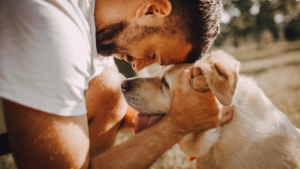
More than food, toys, or walks, your dog values your presence. Your attention, affection, and time mean more to them than anything else.
Even small moments matter:
-
Eye contact
-
Gentle petting
-
Shared routines
-
Quiet time together
This final truth may be the most important of all the 10 things your dog wishes you knew. Your dog isn’t asking for perfection—only connection.

Why Understanding Your Dog Changes Everything
When you begin to see the world through your dog’s eyes, communication improves and challenging behaviors become easier to manage.
What once felt confusing starts to make sense, and your responses become calmer and more effective. With understanding comes:
-
Better communication
-
Fewer behavioral issues
-
Stronger trust
-
A deeper emotional bond
Conclusion
Dogs may not communicate with words, but their actions, body language, and habits speak volumes. By understanding these things your dog wishes you knew, you can become a more patient, attentive, and compassionate dog owner.
Your dog doesn’t need perfection. They need consistency, understanding, and love. When you meet those needs, you don’t just improve behavior—you build a lifelong bond rooted in trust and friendship.
Save pin for later

- Dog Nutrition Guide for Better Health and Energy - May 23, 2026
- How to Keep Your Cat Healthy and Active at Home - May 17, 2026
- Dog Health Tips for Indoor and Apartment Living - May 17, 2026