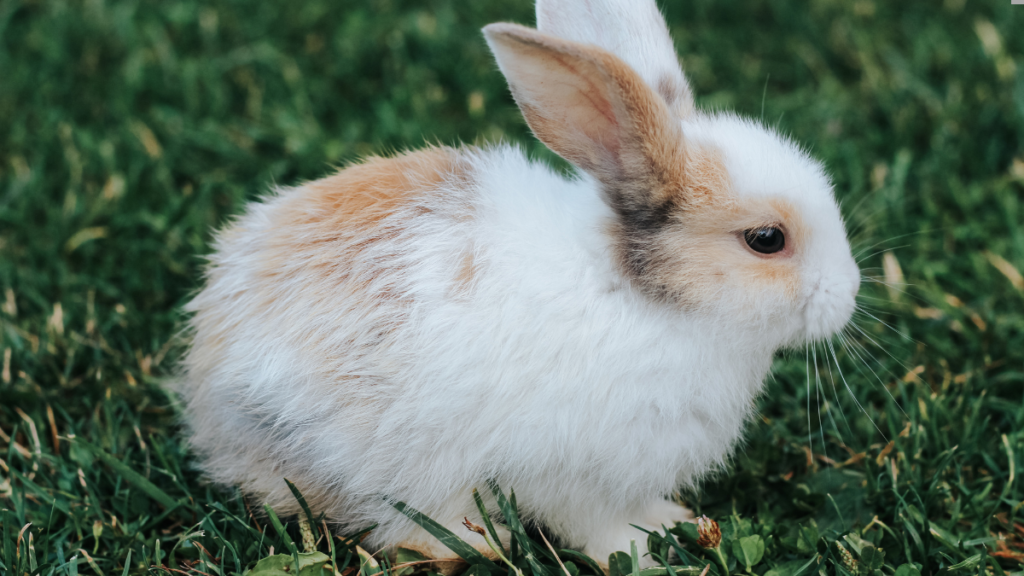
Winter is a joyful season for people who love nature and have pets, especially if you live in a cold region and your pet stays indoors. However, for rabbits, guinea pigs, hamsters, ferrets, and birds, managing temperature is crucial.
Small pets often cannot withstand cold temperatures like dogs or cats, as they move less and produce less body heat. Some species also have less fur. Therefore, it is important to take steps to keep them comfortable and warm during the chilly winter months.
The good news is that you don’t need expensive heating appliances or complicated setups—simple adjustments and creative solutions can make your pets feel cozy.

1. Understand Your Small Pet’s Temperature Requirements
The first step is knowing the optimal temperature for your pets. While each animal has different heat needs, general guidelines include:
-
Rabbits: 60–70°F (15–21°C), but can tolerate slightly cooler temperatures with proper shelter.
-
Guinea pigs: Avoid drafty areas and temperatures below 65°F (18°C).
-
Hamsters and gerbils: Can tolerate cooler temperatures but not below 50°F (10°C).
-
Birds (small breeds such as finches or canaries): 65–75°F (18–24°C).
Understanding the suitable temperature range for your particular pet helps you keep them safe and healthy throughout the winter.
2. Choose the Best Location for the Cage
Where you place your pet’s cage or enclosure has a big impact on their comfort. Avoid windows, doors, or poorly insulated walls where drafts may occur, as these can quickly lower the temperature inside the cage and make your pet sick.
Instead, follow these recommendations:
-
Place cages in warmer rooms with stable temperatures.
-
Avoid placing enclosures directly on the floor, where cold air settles. Use a table, shelf, or other raised platforms.
-
Avoid areas near radiators or vents, which may cause sudden temperature fluctuations.
Proper cage placement minimizes your pet’s exposure to cold drafts without needing electric heaters.

3. Use Insulating Bedding and Nesting Materials
Bedding is one of the easiest and most effective ways to keep small pets warm. Thick, absorbent bedding traps body heat and insulates against the cold.
Some excellent bedding materials include:
-
Hay: Ideal for rabbits and guinea pigs. Hay is naturally warm, safe, and perfect for nesting.
-
Shredded paper: Affordable, non-toxic, easy to replace, and provides excellent insulation.
-
Aspen wood shavings: A safe alternative to cedar or pine shavings.
-
Fleece liners: Soft, reusable, and dust-free, perfect for adding extra warmth.
In addition to bedding, provide nesting boxes, huts, or tunnels inside the cage. These enclosed spaces allow small pets to snuggle and conserve heat.
4. Layer Blankets and Towels
Blankets or towels are inexpensive and effective ways to add warmth to cages, hutches, or enclosures. Fold a blanket or towel into a cozy “nesting area” for your pet.
Some important points when using blankets:
-
Avoid blankets with loose threads, as pets may chew them or get tangled.
-
Replace and wash blankets regularly to prevent dampness and odors.
-
Ensure the enclosure is well-ventilated so your pet has space and is not trapped or completely covered.
5. Use Heat Packs or Warm Water Bottles
If the room is too cold, heat packs or warm water bottles are great temporary solutions that don’t require electricity.
How to use: Fill a small water bottle with warm (not boiling) water, wrap it in a towel, and place it under the bedding or inside a pet-safe pouch.
Precautions:
-
Make sure your pet cannot reach the bottle or drink the water.
-
Never place it directly against your pet’s skin to avoid burns.
You can also purchase reusable heat packs designed specifically for small pets. Always follow the manufacturer’s instructions. This method is especially useful at night or during particularly cold weather.
6. Insulate the Cage or Enclosure
Insulating your pet’s cage is a simple, cost-effective way to retain heat. Small adjustments can make a big difference without adding energy costs.
-
Create windbreaks using cardboard or wooden panels.
-
Line the back and sides of the cage with thick fabric or old blankets.
-
For wire cages, cover the exterior with breathable fabric like fleece. This reduces heat loss while allowing airflow.
A more enclosed environment helps your pet retain body heat naturally.
7. Keep Pets Active and Feed Them Well
Active pets generate body heat, so encouraging movement is a natural way to keep them warm. Provide toys, tunnels, and opportunities for exploration inside the enclosure.
Diet also plays a role in maintaining warmth:
-
Pets may need slightly more calories in colder weather to maintain body heat.
-
Hay is perfect for rabbits and guinea pigs, providing warmth and aiding digestion.
-
Ensure fresh water is always available, and check that water bottles haven’t frozen.
A combination of activity and proper nutrition helps pets maintain a healthy body temperature without heaters.
8. Use Draft-Free Outdoor Housing with Caution
For outdoor pets, take extra precautions, as temperatures can drop significantly, and drafts can be dangerous. Outdoor cages must be fully protected from wind, rain, and snow.
Tips for winter-proofing outdoor enclosures:
-
Place cages in protected areas, such as a garage, shed, or against a wall.
-
Add extra bedding and nesting material for warmth.
-
Provide a “hideaway” box where pets can retreat.
-
Check frequently for dampness or signs of cold stress.
Outdoor pets require close monitoring in winter, but with proper shelter and insulation, they can remain comfortable even in colder climates.
9. Monitor Your Pet’s Health and Behavior
Knowing the signs that your pet is too cold is crucial. Common indicators include:
-
Shivering or trembling
-
Hunched posture or curling up tightly
-
Lethargy or decreased activity
-
Cold ears, paws, or tail (species-dependent)
If you notice any of these signs, take immediate steps to warm your pet. Prolonged exposure to cold can lead to hypothermia or other health complications.
10. Natural and Creative Warming Hacks
Here are additional ways to keep your pet warm without spending much:
-
Sunlight exposure: Place cages near sunny windows during the day. Sunlight provides natural warmth and helps regulate circadian rhythms.
-
Sharing warmth: For social pets, keeping compatible animals together allows them to share body heat. Ensure this is safe for the specific species.
-
Homemade cozy hides: DIY fabric tents or small boxes lined with soft material create snug hideaways.
Small changes like these, combined with proper bedding, cage placement, and nutrition, greatly improve your pet’s winter comfort.
Conclusion
Keeping small pets warm in winter doesn’t require costly heaters or high-energy solutions. By understanding your pet’s temperature needs, placing their cage in the right location, using insulating bedding, and layering blankets or towels, you can create a safe, cozy, and comfortable environment for your furry or feathered friends.
Remember, small animals are especially vulnerable to cold stress, so monitor their behavior and health closely. With a little thought and creativity, you can ensure your pets stay warm, happy, and healthy throughout the winter without spending a lot of money.
Save pin for later

- Dog Nutrition Guide for Better Health and Energy - May 23, 2026
- How to Keep Your Cat Healthy and Active at Home - May 17, 2026
- Dog Health Tips for Indoor and Apartment Living - May 17, 2026