Do you feel the change in the air as the weather starts to cool? It is easy to notice when you step outside—a chill in the wind, darker evenings, and the first fiery flush of autumn leaves.
In your aquarium or pond, similar signs appear for the observant fishkeeper. Slower movement. Less time spent near the surface. A hesitant approach to food. If you keep fish, you will see and recognize these signals. But do you know what they mean?
Temperature changes have a direct impact on the metabolism and behavior of fish, signaling to them that it is time to adjust. One of the primary responsibilities of a fish owner is to understand those cues and provide a consistent supply of appropriate, high-quality food. Healthy feeding adjustments during autumn and winter are essential for maintaining strong immunity, proper digestion, and long-term health in both aquarium fish and pond fish.
Why Temperature Changes Should Guide Fish Feeding Habits
Fish are ectothermic (cold-blooded), meaning they depend entirely on water temperature to regulate their metabolism and bodily functions. When temperatures fall, all internal processes slow down. A slower metabolism leads to slower digestion, reduced energy, and changes in feeding needs.
During warm months, digestion is fast, and fish require frequent feeding to fuel growth and daily activity. In colder temperatures—whether due to a gradual outdoor seasonal change or a sudden indoor temperature shift—fish naturally eat less.
Failing to adjust feeding habits can result in:
-
Undigested food rotting in the gut
-
Increased waste production and poorer waste-processing
-
Cloudy, low-quality water
-
Higher stress levels and increased infection risk
Conditions such as fin rot, ich (white spot disease), and columnaris often spread when fish cannot digest food efficiently.
This is even more critical for pond fish such as koi, goldfish, and tilapia, as cold water greatly slows digestion.
Signs It Is Time to Adjust Fish Feeding Routines
As temperatures drop, fish eating habits and behavior change. Signs that your fish need a seasonal feeding adjustment include:
-
Less frequent or slower approach to food
-
Loss of appetite
-
Reduced activity
-
Slower swimming
-
More time spent near the bottom of the tank or pond
-
Slower digestion
-
Visible food remnants in the water
-
Cloudiness in the water
-
Swollen bellies in goldfish or koi
These signs are natural seasonal responses and do not necessarily indicate illness. However, they should guide you in adjusting your feeding routine, especially as temperatures continue to fall.
How to Adjust Feeding as the Weather Cools
Here are the five key adjustments that protect fish health during cold weather:
1. Feed Less Often
Reduce feeding frequency gradually as temperatures drop. Abrupt changes can cause stress.
General guidelines for pond fish (koi, goldfish):
-
Above 15°C (59°F): Feed once or twice daily
-
10–15°C (50–59°F): Feed once every 1–2 days
-
Below 10°C (50°F): Stop feeding high-protein foods; switch to wheat-germ-based pellets
-
Below 7°C (45°F): Stop feeding entirely (pond fish cannot digest food at this temperature)
General guidelines for aquarium fish:
-
Feed once daily or every other day in small portions
-
Cold-water species need less food than tropical species
Even in heated tropical aquariums, a drop of just 1–2°C may require feeding adjustments.
2. Change the Food Type
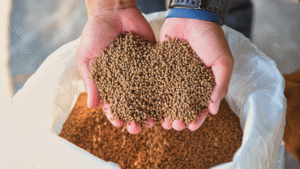
Fish in cool water need easily digestible foods that support their slower metabolism without causing digestive strain. High-protein foods are often too heavy during cold months.
Best food options for cold weather:
-
Wheat-germ pellets (ideal for koi and goldfish)
-
Vegetable-based flakes or pellets
-
Spirulina-rich food
-
Soft gel foods
-
Algae wafers for herbivorous species
For pond fish, wheat-germ food is the best option for maintaining healthy digestion.
Foods to reduce or avoid in cold weather:
-
High-protein growth pellets
-
Live insects
-
Frozen bloodworms
-
Fat-rich foods
-
Bread or kitchen scraps
Always prioritize light, easily digestible feeds in colder conditions.
3. Feed Smaller Portions
Even if fish appear active, their metabolism is slower. Overfeeding can cause serious digestive issues and water pollution.
Only feed what your fish can consume in under two minutes.
For larger pond fish like koi, choose small pellets that soften quickly and are easier to digest.
4. Check Water Temperature Daily
Water temperature is the most important factor determining feeding frequency and food type. Monitor your aquarium or pond consistently.
Keep in mind:
-
Air temperature does not cool water at the same rate.
-
Rain and storms can cause sudden outdoor pond temperature drops.
-
Indoor aquariums near windows or doors may fluctuate.
Use a reliable pond or aquarium thermometer.
5. Maintain High Water Quality and Effective Filtration
Cool weather often leads to declining water quality because:
-
Fish produce more waste due to slower digestion
-
Uneaten food takes longer to break down
-
Cold water holds less oxygen
To maintain healthy water:
-
Clean filters regularly
-
Remove uneaten food promptly
-
Avoid overfeeding
-
Perform partial water changes
-
Clear pond surfaces of leaves and debris
Clean water strengthens immunity and digestion during colder months.
Feeding Adjustments for Aquarium Fish
Temperature changes indoors are milder, but fish still respond to seasonal shifts. Even heated aquariums experience slight variations.
Tips for indoor aquarium fish in cooler weather:
-
Keep heater settings stable
-
Offer nutrient-rich food but reduce portions
-
Watch for changes in appetite or activity
-
Maintain consistent lighting schedules
Species like bettas, guppies, mollies, and tetras may react noticeably to even small temperature shifts.
Feeding Adjustments for Pond Fish
Ponds experience the most dramatic seasonal temperature changes. Koi and goldfish owners must follow the temperature curve closely.
Cold-weather feeding guidelines for pond fish:
-
Feed only floating pellets to monitor intake
-
Choose wheat-germ food for easy digestion
-
Reduce feeding frequency gradually
-
Stop feeding when pond temperatures stay below 7–10°C
-
Keep an air pump running
Never feed pond fish resting at the bottom during cold weather—they cannot digest food there, leading to internal complications.
Tips to Support Fish Health During Cold Months
Beyond adjusting food and feeding frequency, these additional steps help fish stay healthy throughout autumn and winter.
1. Strengthen the Immune System with Proper Nutrition
Choose foods rich in:
-
Vitamin C
-
Spirulina
-
Natural antioxidants
-
Garlic extract
-
Color-enhancing nutrients
These boost immunity when fish are more vulnerable to infections.
2. Avoid Stressful Pond or Tank Changes
Cold-weather fish are less able to adapt to sudden environmental changes. Avoid:
-
Major water changes with unconditioned cold water
-
Moving fish to new tanks
-
Abrupt increases in feeding
-
Introducing new fish
Stability is essential during cold months.
3. Watch for Signs of Illness
Cold weather increases the risk of:
-
Ich (white spot disease)
-
Columnaris
-
Swim bladder disorder
-
Lethargy
-
Fungal infections
Feeding lighter, appropriate foods reduces digestive stress and helps prevent disease.
Summary
Fish respond strongly to seasonal temperature changes. As water cools, their metabolism slows, and feeding must be adjusted accordingly. Offering smaller, easier-to-digest portions less frequently helps protect digestive health and boosts immunity.
Whether you keep koi in a backyard pond, goldfish indoors, or tropical species in a heated aquarium, the guiding principle remains the same: feed according to temperature, prioritize digestion, and make changes gradually.
Save pin for later

- Dog Nutrition Guide for Better Health and Energy - May 23, 2026
- How to Keep Your Cat Healthy and Active at Home - May 17, 2026
- Dog Health Tips for Indoor and Apartment Living - May 17, 2026