
Bearded dragons are among the most popular pet reptiles worldwide. They are loved for their gentle nature, expressive faces, and relatively easy care. However, while most owners focus on habitat temperature, lighting, and handling, the importance of seasonal feeding is often overlooked.
Like many other animals, bearded dragons experience natural changes in appetite, energy, and nutrient requirements throughout the year.
By understanding how seasons affect your bearded dragon’s feeding behavior, you can keep them healthy, happy, and thriving all year long.
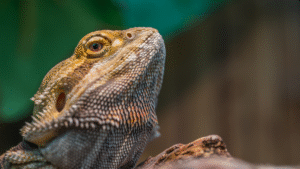
Why Seasonal Feeding Is Important for Bearded Dragons
Bearded dragons originate from Australia’s dry, desert regions. In the wild, these habitats go through major seasonal changes. Temperatures rise and fall, food availability varies, and their activity levels shift.
These seasonal differences influence how a bearded dragon eats and behaves, even when kept in captivity.
Seasonal feeding helps you:
-
Support natural biological rhythms
-
Prevent obesity during periods of lower activity
-
Ensure proper hydration during dry or hot months
-
Promote good digestion and appetite
-
Maintain a healthy balance of protein, vegetables, and insects year-round
By making small adjustments to your bearded dragon’s diet based on the season, you help keep them in optimal condition.
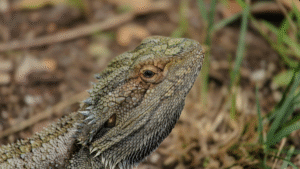
Spring: Increased Appetite and Nutrient Boost
Spring is when most bearded dragons become more active. If your dragon experienced even a mild brumation during winter, their appetite will return noticeably. This is an excellent time to increase nutrients and give them a strong energy boost.
What to Feed Bearded Dragons in Spring
Leafy greens:
-
Collard greens
-
Mustard greens
-
Dandelion greens
-
Turnip greens
Vegetables:
-
Squash
-
Bell pepper
-
Endive
-
Carrot tops
Insects (in moderation):
-
Dubia roaches
-
Crickets
-
Black soldier fly larvae
-
Silkworms
If you have strong UVB lighting, dust insects with calcium without D3. If your UVB bulbs are older or weaker, use a calcium supplement with D3.
Spring Feeding Tips
-
Gradually increase feeding as appetite returns.
-
Offer a wide variety of vegetables for balanced nutrition.
-
Limit insects for adults to 2–3 times per week.
-
Re-establish a steady feeding routine after winter.
Spring is also a good season to rebuild healthy weight lost during brumation.
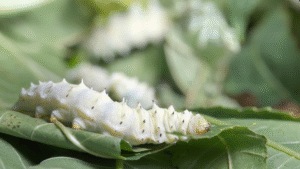
Summer: Hydration, Variety, and Controlled Protein
Summer brings hotter temperatures and longer days. Your bearded dragon will be more active and may develop a stronger appetite. However, higher temperatures increase the risk of dehydration, making hydration-focused feeding essential.
Best Foods for Bearded Dragons in Summer
High-moisture vegetables:
-
Cucumber (occasionally, low nutrient value)
-
Zucchini
-
Butternut squash
-
Celery leaves
-
Watercress
Hydrating fruits (very small amounts):
-
Blueberries
-
Strawberries
-
Watermelon (treat only)
-
Mango
Insects:
-
Dubia roaches
-
Black soldier fly larvae
-
Silkworms
-
Hornworms
Summer Feeding Tips
-
Provide water-rich vegetables daily.
-
Keep fruit portions very small to prevent digestive issues.
-
Offer hornworms once or twice per week for hydration support.
-
Ensure fresh water is always available, even if beardies rarely drink from a dish.
-
Avoid fatty insects like superworms during hot months.
Summer is also ideal for foraging-style enrichment. Scatter greens in the enclosure or use puzzle feeders to encourage natural searching behavior.
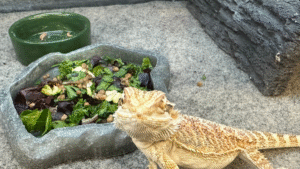
Autumn: Transition to Lower Energy Needs
As temperatures cool and daylight decreases, bearded dragons naturally slow down. This is the time to reduce high-protein insect feedings and increase vegetables.
Best Foods for Bearded Dragons in Autumn
Continue feeding the same greens from spring but focus more on nutrient-dense items:
-
Collard greens
-
Kale (use sparingly in rotation)
-
Bok choy
-
Butternut squash
-
Green beans
-
Parsnips
Protein Adjustments
-
Offer insects only 1–2 times per week for adults.
-
Choose high-quality insects such as roaches or black soldier fly larvae.
-
Avoid frequent mealworms or superworms due to their high fat content.
Autumn Feeding Tips
-
Watch for reduced appetite, which may indicate upcoming brumation.
-
Slightly decrease portion sizes if your dragon becomes less active.
-
Maintain proper hydration as temperatures drop.
-
Increase greens if constipation becomes an issue.
Autumn is also the ideal season to assess your dragon’s weight and body condition. A healthy adult should have a firm body and a strong, muscular tail.

Winter: Brumation and Dietary Reduction
Many bearded dragons enter brumation—a light reptile hibernation—during winter. They may sleep more, eat less, and hide for long periods.
Brumation is natural, and forcing a bearded dragon to eat is harmful. Their metabolism slows dramatically, and they may go days or weeks with little to no food.
Winter Feeding Tips
If your dragon is brumating:
-
Offer fresh greens every few days but do not expect much interest.
-
Check and freshen water daily.
-
Never force-feed insects; only feed if they wake and show active interest.
If your dragon is not brumating:
-
Continue regular feeding but with slightly reduced portions.
-
Offer warm baths more often if hydration seems low.
-
Maintain a balanced diet of greens and occasional insects.
Winter Considerations
-
Do not allow an underweight or sick dragon to brumate.
-
Make sure UVB lighting is still functioning properly.
-
Keep temperatures safe; never let the habitat get too cold.
Brumation requires minimal feeding and careful monitoring.
Year-Round Supplements and Feeding Essentials
Some nutritional needs remain constant throughout the year.
Calcium and Vitamin D3
-
Dust insects with calcium 3–4 times per week.
-
Use calcium with D3 sparingly if UVB lighting is strong.
-
Give a reptile multivitamin once every 1–2 weeks.
Safe Foods to Feed Year-Round
-
Mustard greens
-
Collard greens
-
Squash
-
Bell peppers
-
Turnip greens
-
Endive
-
Escarole
Foods to Avoid Year-Round
-
Spinach (binds calcium)
-
Lettuce (low nutrient value)
-
Avocado (toxic)
-
Fireflies (deadly)
-
Rhubarb
-
Citrus fruits

Monitoring Feeding Based on Age and Season
Feeding schedules change with both age and seasonal activity.
Baby Bearded Dragons (0–6 months)
-
Insects 2–3 times daily
-
Frequent greens
-
High protein for fast growth
Juveniles (6–12 months)
-
Insects once daily or every other day
-
Increase vegetable intake
Adults (12+ months)
-
Vegetables daily
-
Insects 2–3 times per week
-
Adjust portions depending on season (more in spring, less in fall/winter)
Knowing your dragon’s age helps you make more accurate seasonal adjustments.
Supporting Your Dragon’s Health Through Seasonal Changes
Seasonal feeding is just part of proper reptile care. To support your bearded dragon fully:
-
Provide consistent UVB exposure (10–12 hours daily).
-
Maintain correct basking temperatures.
-
Keep fresh water available at all times.
-
Offer a variety of greens to prevent picky eating.
-
Monitor weight and energy levels throughout the year.
Balanced habitat conditions, diet, and routine help your bearded dragon thrive year-round.
Final Thoughts
Bearded dragons are hardy and adaptable, but their nutritional needs change naturally across the four seasons. By adjusting feeding frequency and portions in spring, summer, autumn, and winter, you give your pet the best chance at long-term health.
Seasonal feeding supports digestion, hydration, weight control, and overall vitality.
Save pin for later

- Dog Nutrition Guide for Better Health and Energy - May 23, 2026
- How to Keep Your Cat Healthy and Active at Home - May 17, 2026
- Dog Health Tips for Indoor and Apartment Living - May 17, 2026