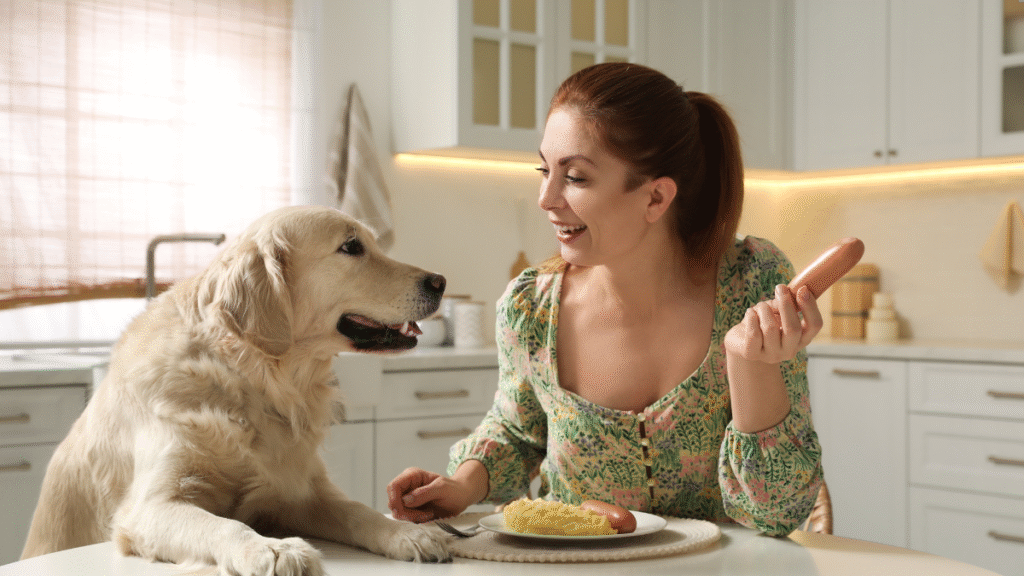
You’ve just settled down to enjoy a delicious meal. The food is piping hot and ready to be devoured. Your phone is on silent, and your partner is finally paying attention to the food you made instead of their computer screen. Everything is perfect — until your dog starts begging.
Hungry eyes staring at you? A sad whine coming from your dog’s throat? Scratching at your leg or pawing at your plate? Dog begging is one of the most common — and most annoying — behaviors dog owners have to deal with.
You might not think much of it at first. Begging can even seem cute or comforting, especially if you have a new puppy or an older dog that isn’t getting around as well. But over time, it can lead to poor table manners, weight gain, and even family arguments at the dinner table.
Why Do Dogs Beg for Food?
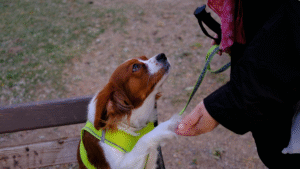
Dogs beg because they know it often results in food from their owner. Begging isn’t intentional or aggressive — it’s a learned behavior. Dogs are incredibly perceptive to human cues, and if they’ve ever been rewarded with food (or attention) for begging, they quickly learn that the behavior is worth repeating.
When your dog gives you those big, sad eyes and you reward them with food, you’re reinforcing the behavior. The equation is simple: begging = reward. So they beg more. Dogs are intelligent creatures and will repeat behaviors that lead to positive outcomes.
Other common reasons for dog begging include:
-
Irregular feeding – If your dog is underfed or free-feeding all day long, they’re more likely to beg for food.
-
Attention-seeking – Sometimes dogs beg not because they’re hungry, but because they want your attention.
-
Copycat behavior – If your dog sees another dog (or even a human) getting food after begging, they’ll try it too.
-
Routine – If begging has become part of your family’s mealtime routine, your dog will do it automatically.
Once you identify what’s causing your dog’s begging, you can address the issue more effectively.
Stop Rewarding Begging Behavior
It might sound counterintuitive, but the key to getting your dog to stop begging is to stop rewarding the behavior. If your dog begs and doesn’t receive a reward — food or attention — the behavior will eventually fade away.
With dog training, consistency is key. Every member of the household must follow the same rules. If you ignore your dog’s begging but your partner slips them a bite under the table, your dog will receive mixed signals, and the begging will continue.
Avoid eye contact, touching, or talking to your dog when they beg. Even negative attention can reinforce the behavior. Over time, they’ll learn that begging doesn’t pay off.
Feed Your Dog Before Mealtime
Feeding your dog before you sit down to eat is one of the simplest and most effective ways to reduce begging. When your dog has just eaten, they’re less likely to focus on your food.
Here’s how to make it work:
-
Serve your dog their food right before you sit down to eat.
-
Once they’ve finished, lead them to their bed, crate, or designated spot and give the command “Go to your place.”
-
Reward your dog for staying calm and waiting quietly while you eat.
By feeding your dog first, you’re reducing hunger-driven begging and helping them associate your mealtime with relaxation rather than opportunity.
Teach the “Go to Your Place” Command
Training your dog to “go to their place” is one of the most reliable ways to curb begging behavior. This command gives your dog a purpose during family meals. Once they’re in their spot, they’re less likely to beg.
Here’s how to teach it:
-
Pick a spot for your dog to go — a bed, blanket, or crate works perfectly.
-
Hold a treat in one hand and, with the other, point to the spot while saying, “Go to your place.”
-
When your dog approaches the spot or steps onto it, reward them immediately.
-
Repeat the process until your dog responds reliably to the command.
-
Gradually increase how long they must stay before earning a reward.
During mealtimes, direct your dog to their spot and reward calm, patient behavior. Once your dog learns that staying in their place earns praise or treats, they’ll be far less interested in hanging around the dinner table.
Reward Good Behavior Instead of Bad Behavior
The best way to train your dog is through positive reinforcement — rewarding good behavior instead of punishing bad behavior. Your dog can’t learn what’s expected of them if you only react when they misbehave.
Rewarding good behavior can be simple:
-
After your dog finishes their dinner and stays in their bed while you eat, give them a small treat.
-
Reward them when they ignore dropped food on the floor.
-
Praise them when they stay in their place for an extended period.
Positive reinforcement works wonders because it clearly communicates what behaviors you want to see more of.
Eliminate Temptation
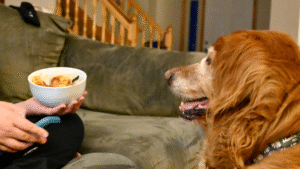
If food is easily accessible, your dog will be more tempted to beg or steal it. To make training easier, reduce temptation wherever possible.
Try these strategies:
-
Keep food out of reach, stored in sealed containers or on high counters.
-
Put your dog in their bed or crate during meals and close the door if necessary.
-
Use baby gates or playpens to create a barrier between your dog and the dining area.
If guests are over, remind them not to feed your dog or drop scraps on the floor. Consistency from everyone is essential for lasting results.
Increase Your Dog’s Mental Stimulation
Dogs that lack sufficient mental and physical stimulation are more prone to begging. Boredom often drives them to seek attention — and food is an easy way to get it.
To reduce begging, provide your dog with more enrichment throughout the day:
-
Use interactive food toys or puzzle feeders for mental engagement.
-
Offer chew toys or long-lasting treats, like bully sticks, during your meals.
-
Ensure your dog gets plenty of exercise through daily walks and play sessions.
A well-stimulated, content dog is less likely to resort to begging for attention or snacks.
Control Treats and Portion Sizes
Many dog owners unintentionally overfeed their pets through excessive treats. Overfeeding can lead to obesity and increase food-driven behaviors like begging.
To manage treats and portion sizes:
-
Choose low-calorie training treats, or break regular treats into smaller pieces.
-
Factor treats into your dog’s total daily calorie intake.
-
Offer healthy alternatives like carrots, green beans, or apple slices (in moderation).
Keeping your dog’s diet balanced will help reduce constant food-seeking behavior.
Patience and Consistency
Breaking any habit takes time — for both dogs and humans. How long it takes your dog to stop begging depends on how long they’ve been doing it. The key is to stay patient and consistent.
Never give in “just once.” If begging sometimes works, your dog will continue trying. But if begging never results in food or attention, the behavior will eventually stop.
Celebrate small victories. Each time your dog ignores your plate or stays in their place during a meal, they’re making real progress toward better manners.
Seek Professional Help if Necessary
In some cases, persistent begging or other related behaviors may require professional help. A certified dog trainer or animal behaviorist can create a tailored training plan for your dog’s unique needs.
If your dog’s appetite or behavior changes suddenly, consult your veterinarian. Underlying health issues — such as thyroid problems or digestive disorders — can sometimes cause increased food-seeking behavior.
Final Thoughts
Teaching your dog to stop begging doesn’t have to be stressful. Dogs thrive when they understand boundaries and expectations. With a positive, consistent approach, your dog can learn to relax during family meals without begging.
By maintaining structure, rewarding calm behavior, and staying patient, you’ll create a peaceful, stress-free dining environment — one that everyone, including your dog, can enjoy.
Save pin for later

- Dog Nutrition Guide for Better Health and Energy - May 23, 2026
- How to Keep Your Cat Healthy and Active at Home - May 17, 2026
- Dog Health Tips for Indoor and Apartment Living - May 17, 2026