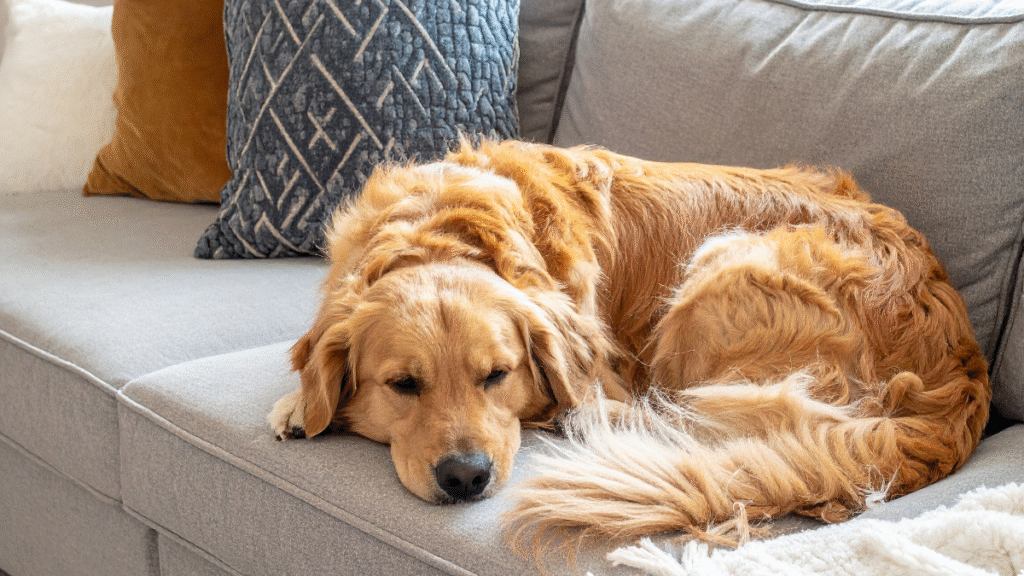
If you’re a dog owner, you’ve likely fantasized about having a calm and collected pooch at times. We all want a companion who can relax—whether they’re lounging on the couch, playing in the park, or meeting new people or pets. However, much like humans, dogs can experience restlessness, agitation, and emotional tension, especially if their routine, environment, or training is out of balance.
The good news is that teaching your dog to be calm doesn’t have to be a long or difficult process. With patience, consistency, and a solid understanding of your dog’s emotions and behavior, you can help them find their inner peace.
Here are seven effective ways to encourage calmness in your dog—from training and exercise to nutrition and mental enrichment—suitable for dogs of all breeds and temperaments.
1. Stick to a Consistent Schedule
Dogs are creatures of habit. Having a predictable daily routine is one of the most effective ways to help your dog feel secure and prevent overstimulation. When their feeding times, walks, and play sessions follow a consistent pattern, they develop a sense of stability and don’t waste mental energy wondering when the next activity will happen.
Try to keep meal times, walks, and bedtime the same each day, even down to the order of activities. For instance, some dogs calm down more easily if they’re fed after a walk or play session. Even if your schedule is busy, maintain at least a few consistent habits—like a morning cuddle or quiet evening time together—to give your dog a sense of reliability and comfort.
2. Provide Adequate Exercise
There’s a reason the saying “A tired dog is a good dog” is so well-known. Physical activity is one of the simplest and most effective ways to help your dog relax because it burns off excess energy that could otherwise turn into anxiety or destructive behavior.
The amount and type of exercise required depend on your dog’s breed, age, and health. High-energy breeds—like Border Collies, Labrador Retrievers, and German Shepherds—may need multiple long walks or runs daily. In contrast, older dogs or laid-back breeds such as Bulldogs and Basset Hounds might do just fine with shorter, slower strolls.
Vary your dog’s exercise routine to prevent boredom. You can try:
-
Fetch or tug-of-war games to burn physical energy.
-
Agility training to combine physical and mental stimulation.
-
Swimming for a low-impact option, especially for dogs with joint issues.
Avoid overstimulation, though. Some sensitive or reactive dogs can become more hyperactive if overexcited. The goal is to exercise your dog until they’re relaxed and satisfied—not exhausted or agitated.
3. Train for Calm Behavior
Training is one of the most important elements in helping your dog remain calm and composed. Dogs are empathetic creatures that often mirror their owners’ emotions. The calmer and more controlled you are, the more likely your dog will be to match your demeanor.
Use positive reinforcement to reward calm, quiet behavior instead of reacting when they’re hyper. For example:
-
Reward your dog when they sit quietly instead of barking at the door.
-
Give treats when they lie calmly beside you rather than jumping or whining.
Avoid shouting or punishment, as these can increase anxiety and fear. Instead, redirect unwanted energy by giving them a task—such as sitting, staying, or fetching a toy—and reward them when they perform it calmly.
The best calmness training is consistent and integrated into everyday life, not confined to structured sessions.
Related:5 Steps In Teaching Your Dog The Quiet Command
4. Create a Calm and Safe Environment
Your dog’s surroundings have a major influence on their emotional state. If your home is noisy or chaotic, it can be difficult for your dog to unwind. Dogs are sensitive to energy and easily pick up on their owners’ stress and tension.
To promote calmness, create a peaceful environment with minimal noise and distractions. Designate a quiet area for your dog—complete with a comfortable bed, their favorite toys, and perhaps a soft blanket or a shirt with your scent for comfort.
Playing gentle background music or white noise can help soothe anxious dogs, especially during thunderstorms or fireworks. You might also consider using a pheromone diffuser like Adaptil or natural scents such as lavender and chamomile, which are known to promote relaxation.
5. Provide Mental Enrichment
Mental stimulation is just as important as physical exercise for maintaining a calm and happy dog. Boredom can lead to frustration, restlessness, and destructive behavior.
Incorporate enrichment activities into your dog’s daily routine, such as:
-
Puzzle toys that dispense treats as they play.
-
Scent games that let your dog use their nose to find hidden treats or toys.
-
Basic obedience drills to reinforce focus and self-control.
-
Interactive feeders like slow-feeder bowls or snuffle mats.
Rotate your dog’s toys and activities regularly to keep things interesting. Just 10–15 minutes of mental exercise a day can make a noticeable difference in your dog’s focus and calmness.
6. Project Calm Energy and Leadership
Dogs are incredibly perceptive and often reflect the emotional state of their owners. If you’re anxious or tense, your dog is likely to act the same way.
Projecting calm leadership means being confident and in control without being harsh or dominant. Your dog should trust that you can handle any situation so they don’t feel the need to take charge.
Be mindful of your tone, body language, and movements around your dog. Move slowly, speak softly, and avoid frantic gestures or raised voices. When you exude calm confidence, your dog will feel secure enough to relax.
7. Address Anxiety Appropriately
Sometimes, a dog’s inability to settle stems from deeper issues such as fear, separation anxiety, or medical conditions. If your dog frequently shows signs of distress—like excessive barking, pacing, or destructive behavior when left alone—it’s important to seek help from a veterinarian or professional dog behaviorist.
A professional can determine whether the cause is behavioral or medical and recommend solutions such as training adjustments, behavior modification, or natural remedies like CBD for dogs, chamomile, or valerian root (under veterinary supervision).
Other helpful aids include anxiety vests, gentle desensitization, and gradual exposure to stressful situations. For example, if your dog fears car rides, start by letting them sit in a parked car while rewarding calm behavior. Over time, they’ll associate the car with positive experiences.
Patience and empathy are key. Helping an anxious dog find calmness takes time, but it’s one of the most rewarding journeys a pet owner can undertake.
Other Helpful Tips to Encourage Calm Behavior
-
Massage and Touch: Regularly massaging your dog’s shoulders or back can release tension and promote relaxation.
-
Proper Nutrition: Feed a balanced diet rich in vitamins, minerals, and omega-3 fatty acids to support mental and emotional well-being.
-
Adequate Rest: Ensure your dog gets plenty of restful, uninterrupted sleep each night in a quiet, comfortable space.
Conclusion
Developing calmness and emotional balance in your dog takes time, consistency, and love. With the right mix of structure, exercise, mental stimulation, and calm leadership, your dog can learn to stay relaxed in almost any situation.
Remember, a calm dog doesn’t just make life easier—it strengthens the bond you share and creates a peaceful home for both of you.
Save pin for later

- Dog Nutrition Guide for Better Health and Energy - May 23, 2026
- How to Keep Your Cat Healthy and Active at Home - May 17, 2026
- Dog Health Tips for Indoor and Apartment Living - May 17, 2026